Many of us work on our computers. And how many of us complain about the discomfort this situation causes? Back pain or eye strain—digital work has become synonymous with discomfort. Yet, a few simple rules can remedy this situation, or at least lessen its effects on our health.
First, make sure you set up your computer correctly. It may seem obvious, but it's the incorrect screen setup that causes eye strain. Ideally, place your computer screen 50 to 70 cm away from your eyes. Positioning the top of your screen at eye level also contributes to your visual comfort. Remember to adjust your screen brightness, avoid placing it directly in daylight, and ensure the room you're in is well-lit.
The chair, for its part, is of paramount importance for your back, as well as your entire skeleton and muscles. Since you work for hours in a seated position, there is bound to be discomfort in the muscles of your neck, shoulders, and back. Using a comfortable chair is obviously a plus in alleviating these symptoms. Ergonomic chairs exist, some with lumbar support, but to find the chair that addresses your back problem, you must first try it out. Essentially, if you don't have a choice of chair, at least make sure you sit properly all the way back in your chair, with your knees at the same level as your hips, and use a footrest if you are short.
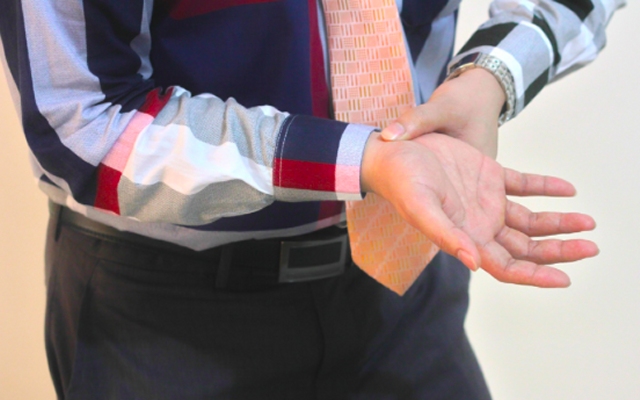
To avoid musculoskeletal disorders in your fingers, wrists, and arms, position your keyboard and mouse 10-15 cm from the edge of the table, and try to work with your elbows at a right angle, while avoiding bending your wrists. Furthermore, keyboards and mice are teeming with germs: clean them regularly if you can, otherwise wash your hands thoroughly.
Remember to take breaks at least every two hours. Even short breaks will prevent headaches and eye strain. Some physical exercises, such as stretching and even eye exercises, will help reduce the negative effects of prolonged computer work. Finally, try to eliminate stressors. Easier said than done, of course, but stress is a major contributing factor to musculoskeletal disorders.
In short, relax and follow these few tips. Your back, eyes, and joints will thank you.
 Antoine PANAITE Antoine PANAITE
|
 18/02/2021 |






































 Anglais
 Arabic
 Deutsch
 Français
 Español
 Italien
 Português
 Russian