Ultra-processed foods are taking up an increasingly large portion of our plates. Convenient and inexpensive, they are nevertheless associated with increasingly well-documented health risks. European cardiologists are warning that their regular consumption increases the risk of obesity, type 2 diabetes, and cardiovascular disease.
According to the NOVA classification, these products—sodas, snacks, ready-made meals, and breakfast cereals—are industrially produced formulations rich in additives. Their long list of ingredients reflects complex processes and the use of substances that can disrupt the gut microbiota or promote inflammation.
Studies show a clear correlation: the higher the proportion of ultra-processed foods consumed, the greater the risk of disease. Conversely, reducing their consumption rapidly improves health indicators. However, some confusion remains: some receive a good Nutri-Score, which muddles public understanding.
The European Society of Cardiology is calling for better consumer information, particularly through more explicit labeling, and for the encouragement of simple habits: cooking more, favoring whole foods, and drinking water instead of sodas. The goal is clear: to limit the presence of ultra-processed foods in our daily diets.
 Sophie de Duiéry Sophie de Duiéry
|
 12/05/2026 |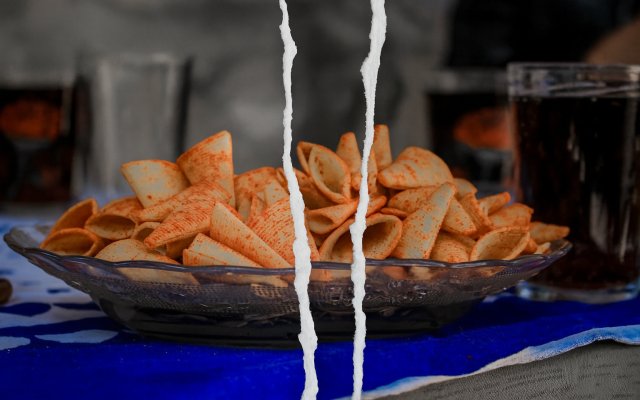





















































 Anglais
 Arabic
 Deutsch
 Français
 Español
 Italien
 Português
 Russian