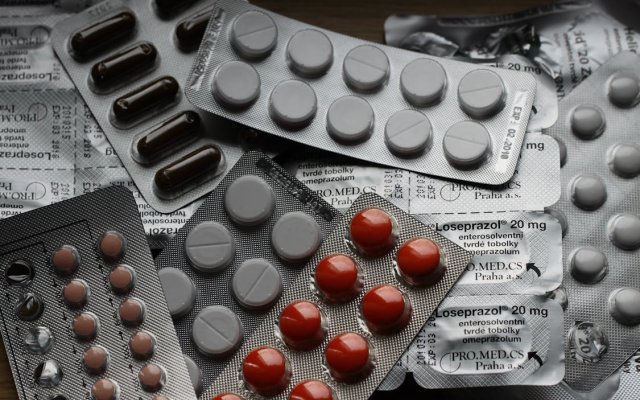
The European Parliament has adopted a new law on critical medicines to strengthen the European Union's security of supply for essential treatments. The legislation specifically targets antibiotics, insulin, and certain medications used to treat chronic illnesses, shortages of which can have serious consequences for patients.
Faced with a heavy reliance on suppliers located outside Europe, particularly for active pharmaceutical ingredients, the new legislation aims to provide financial support for European production, accelerate the development of industrial capacity, and facilitate joint procurement between Member States. Public procurement will also have to take greater account of supply reliability, and not just price.
This strategy aims to reduce the risk of stock shortages, as several medicines, including certain antibiotics, cancer treatments, and vaccines, are currently experiencing supply constraints. The effects of the measure are expected to be felt gradually, however, as investments are made and European production ramps up.
 Frank Verain
|
 26/11/2026 |













































































 Anglais
 Arabic
 Deutsch
 Français
 Español
 Italien
 Português
 Russian