In France, the Minister of Health has just announced that the government is considering relaxing, in certain cases, the rule limiting doctors to 20% of their teleconsultations. The goal is to promote the development of telemedicine and make it a tool for inclusion for people who are geographically or socially excluded from the healthcare system.
Targeted exemptions will be offered, particularly for retired doctors, locum doctors, doctors with disabilities, or those facing personal constraints such as parenthood. The Minister also wants teleconsultations conducted with the support of another healthcare professional to no longer count towards this limit, in order to increase their use in social and medical-social facilities, especially nursing homes, and to reduce unnecessary visits to emergency rooms.
The government also wants to accelerate the use of tele-expertise by encouraging hospitals, particularly university hospitals, to respond more readily to requests from general practitioners, especially in facilities certified under the "France Santé" network.
Despite these ambitions, France lags behind: teleconsultations represent only 3.3% of consultations, compared to an OECD average of 13%. According to Stéphanie Rist, this tool can nevertheless meet the needs of populations with limited access to healthcare: people without a primary care physician, residents of underserved areas, dependent or disabled individuals, isolated populations, patients unable to travel, or even prisoners.
 Sophie de Duiéry Sophie de Duiéry
|
 26/01/2026 |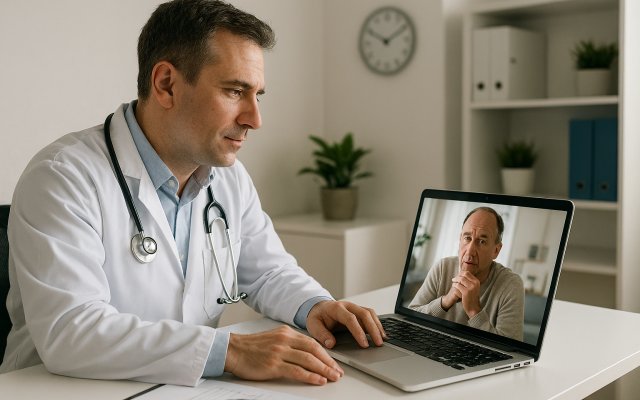








































 Anglais
 Français
 Español
 Italien
 Português