Want to give your skin a radiant boost and improve its elasticity with a superficial peel? Yes, provided you choose the right technique and take a few precautions.
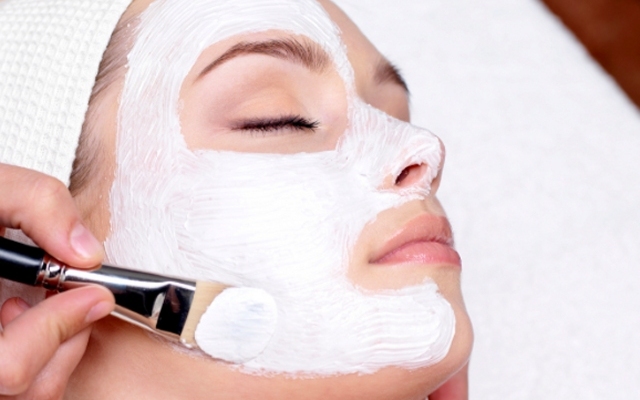
The principle of a superficial peel lies in applying a chemical substance to the skin, primarily the face, which will break down the epidermis to promote skin renewal.
Juvenile acne, blemishes, smoothing, or lack of skin density... However, the benefits of superficial peels are not limited to these: skin smoothing, evening out skin tone, tightening pores, treating juvenile acne, pigmentation spots, the effects of sun damage, dryness, or even lack of skin density... the applications are numerous, and this type of peel can therefore satisfy many desires. Furthermore, it doesn't require "hiding" after the cosmetic procedure, even if patients may experience a sensation similar to a severe sunburn or even slight peeling.
For superficial peels, two types of products can be chosen, each with a specific mechanism of action. They can be fruit acid-based, such as glycolic acid, often combined with other fruit acids (AHAs or BHAs). These acids are easy to neutralize, making application highly controllable. Alternatively, these peels can be TCA-based, an effective acid that is naturally neutralized by the skin, thus requiring no intervention from a doctor.
Regardless of the type, peels should not be performed at any time or in any way. While fruit acid peels can be used on all skin types, light or dark, TCA is not suitable for the darkest complexions. Furthermore, all superficial peels are performed between October and April, that is, outside of the sunny periods. Finally, the number of peels during this period will depend on the indication, skin type, and the product chosen.
Aside from these few restrictions, this type of peel is suitable for most people since it can be performed on tattooed areas, on patients with moles, or those with actinic keratoses (corresponding to a precancerous lesion). However, peels are not suitable in cases of skin cancer or rosacea.
Final recommendations to ensure your peeling sessions go smoothly.
There are a few rules to follow beforehand:
• Avoid using certain creams, especially those containing glycolic acid or other fruit acids, unless specifically recommended by your cosmetic doctor, as this may increase the depth of penetration of the peel.
• Avoid hyaluronic acid-based creams before a TCA peel, as hyaluronic acid can interfere with the TCA's penetration depth and may therefore lead to complications.
• Finally, for darker skin tones, the doctor should prescribe a pigment stabilizer before and after the session. For all skin types, a high-protection sunscreen should be applied after the peel.
All these precautions will help optimize your sessions and allow your skin to reveal its full potential.
 Dr François PRUNIERAS Dr François PRUNIERAS
|
 15/01/2022 |






































 Anglais
 Arabic
 Deutsch
 Français
 Español
 Italien
 Português
 Russian